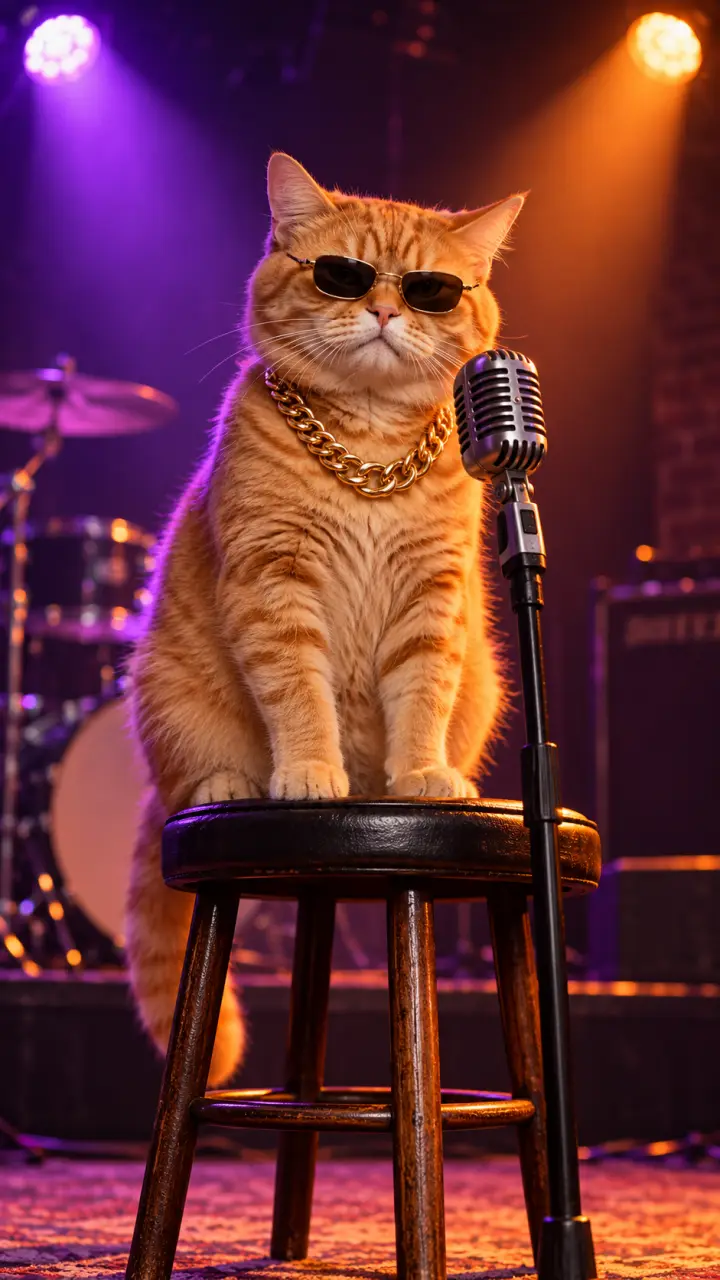
How to write a roast rap that is funny, not mean
Roast what your friend does, never who they are: pick three habits or stories they already joke about, give each a two-bar setup and punchline, and end the rap on one sincere line so the room knows it came from love.
7 min read · Updated

The one rule: roast the habit, not the person
A good roast makes the target laugh hardest. That only happens when the jokes are about things they already own: always late, terrible at directions, a cooking disaster, a phone that is always at 2 percent. Those are choices and stories. Looks, weight, race, religion, money trouble, an ex and anything medical are not; they make the room go quiet and the target feel cornered.
| Tease | Never touch |
|---|---|
| Being late, losing things | Weight, height, looks |
| Cooking, driving, dancing | Race, religion, accent |
| Their phone, their car, their playlists | Money trouble, a job loss |
| A story they tell about themselves | Exes, breakups, private things |
| Their obsession: gym, golf, crypto | Health, mental health, family |
Test: would they tell this story about themselves at a party? If yes, roast it. If they would change the subject, leave it out.
How a two-bar punchline works
Rap jokes come in pairs. The first bar sets up something normal, and the second bar flips it on the rhyme. The laugh comes on the last word, so put the funniest word there.
The setup is a true fact (late again). The punchline exaggerates his excuse until it collapses. You can do the same with almost any habit: state it plainly, then give their defence and make it worse.
A real roast: two best men at a wedding
This sample is a best-man roast for Danny and Rose. Notice how every joke is about something Danny did, and the second line already turns to "still the man who loves her most". That turn is what makes it safe to play in front of the bride’s grandparents.
 “Danny's getting married, yo we flew in for the toast”
 “Lost his keys, lost his phone, still the man who loves her most”
 “Back in college he was burning ramen every night”

Structure: three jokes and a turn
- Hook (4 bars): name, occasion, the single best joke. This is what a short video plays.
- Joke one (4 bars): the habit everyone knows. Setup, punchline, setup, bigger punchline.
- Joke two (4 bars): a specific story with a time or a place in it. Specific is funnier.
- The turn (4 bars): one thing they are great at, and why you showed up. End on love.
Three jokes is enough. More than that and it stops being a roast and starts being a list of complaints. One sweet line for every three teasing ones is a good ratio.
A worked example: three facts to sixteen bars
Say the target is Sam, turning 30. Friends gave three facts: he is late to everything, he has the same drive-thru order every night, and he spends more time on gym selfies than on lifting. The thing everyone loves about him: he is the first to show up when someone needs help moving.
Look at the shape. Lines 1 to 4 are fact one and fact two, each with an exaggeration. Lines 5 to 8 are fact three, built up over four bars so the punchline has room. Lines 9 to 12 are the turn: one real story that shows why the roast is affectionate. Add a 4-line hook on top and it is a full 16 bars.
Keeping it clean
A roast that will be played at a wedding, an office or a family party needs to be clean. That rarely costs you the joke. Swear words are usually filler; the laugh comes from the detail. "Lost his keys, lost his phone" lands without a single bad word because everyone in the room has seen Danny pat his pockets.
- Swap insults for exaggeration: not "he is lazy" but "he works from the couch, the couch works from him".
- Swap private stories for public ones: something that happened in front of the group, not something told in confidence.
- Swap a punchline about a person for one about a thing they own: the car, the playlist, the phone.
The safest roast: a pet
Pets cannot be offended, which makes them the easiest roast of all. This cat sample is pure roast: it knocks cups off the table, ignores its name and sleeps in the box rather than the bed.
 “Mango in the shades and he don't care”
 “Knocked your cup off and he left it there”
 “Gold chain, orange fur, sitting on the stool”
Know the room
- Wedding: roast the groom or bride, never the couple. Keep it clean for grandparents and kids.
- Birthday: age and lateness are fair; keep the turn warm.
- Office farewell: roast work habits only (meetings, the coffee, the reply-all), never a boss or a pay cut.
- Group chat: you can go harder, but it will be screenshotted. Write what you would say to their face.

Let the AI write the first draft
Pick Roast a friend and the Roast vibe in the rap lyrics generator, add up to 3 habits, and it writes a 16-bar roast that ends sweet, free with no account. The generator also turns down cruel or hateful prompts, so it will not write the lines you should not use anyway. Then make it a song or a video.
Questions
What should you not say in a roast?
Anything about looks, weight, race, religion, money, health or exes. Roast what they do, not who they are.
How do you end a roast rap?
With one sincere line: something they are great at, or why you are there. It tells the room the jokes came from love.
Is there a roast rap generator?
Yes. Pick the roast vibe, add up to 3 habits and it writes 16 bars free. It refuses hateful or cruel prompts.
How many jokes should a roast rap have?
About three, plus a sincere ending. One sweet line for every three teasing ones keeps it friendly.